All stories · Article
The hidden eligibility limits of Shopify post-purchase upsells
Black Friday is approaching, and Shopify sellers are sharing increasingly specific numbers about post-purchase upsells: €8.22 in additional revenue per order, one in five customers taking a six-month offer, and a 7.3% upsell conversion rate in one case study.
Share: WhatsApp · Telegram · X · Facebook · LinkedIn · Email

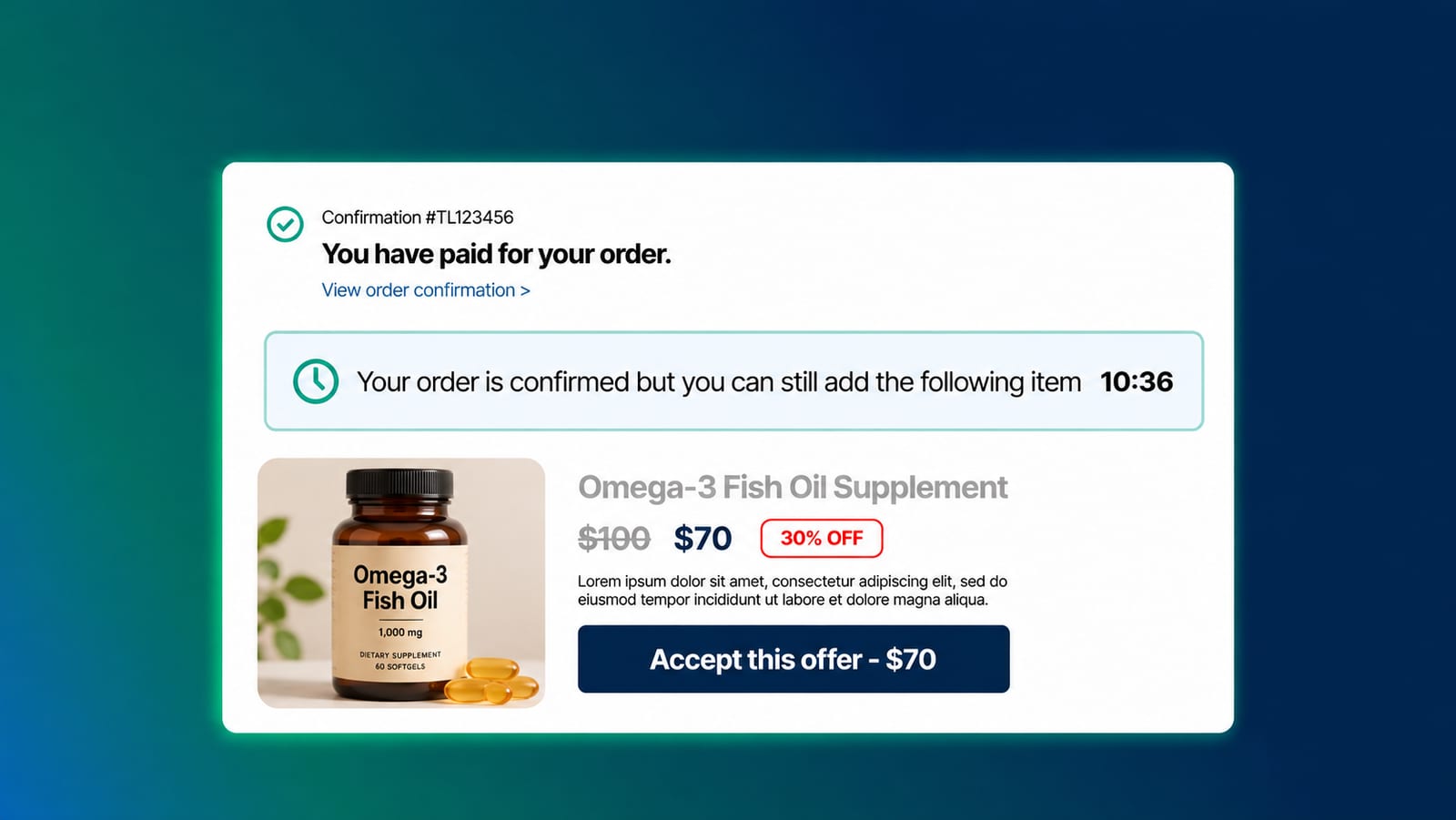
Before installing an app or forecasting extra BFCM revenue, sellers need to know which orders actually qualify, how the offer is measured, and whether their store can access the feature.
Why sellers are paying attention to post-purchase upsells
A post-purchase upsell gives customers another opportunity to add a product immediately after completing payment, before they reach the Thank you page.
That timing matters. The customer has already placed an order, so the merchant can offer a relevant add-on without paying to acquire another visit.
This is particularly attractive during BFCM, when advertising costs and competition for customer attention tend to rise.
Several recent posts illustrate the interest:
- €8.22 in additional revenue per order: Alex Logan shared a result from a German store. This is a self-reported result, without a disclosed order count or measurement period.
- One in five customers accepting a six-month offer: Russell Kwok cited AfterSell data. The underlying sample and methodology were not disclosed.
- 7.3% upsell conversion: In a LinkedIn case shared by Andrew Le, a UK CPG brand reportedly reached this rate during its first two weeks after extending the offer window from five seconds to one hour and using purchase data to personalize recommendations.
These are useful examples of what merchants and app providers are reporting. They are not industry benchmarks. The figures measure different things and cannot be compared or added together.
The common lesson is more practical: offer something that makes sense alongside the product the customer has just purchased.
Not every Shopify order will see the offer
This is the most important limitation to understand before estimating potential revenue.
According to Shopify's official documentation on product offers, post-purchase offers appear after the order is confirmed and before the Thank you page. However, Shopify applies several eligibility restrictions.
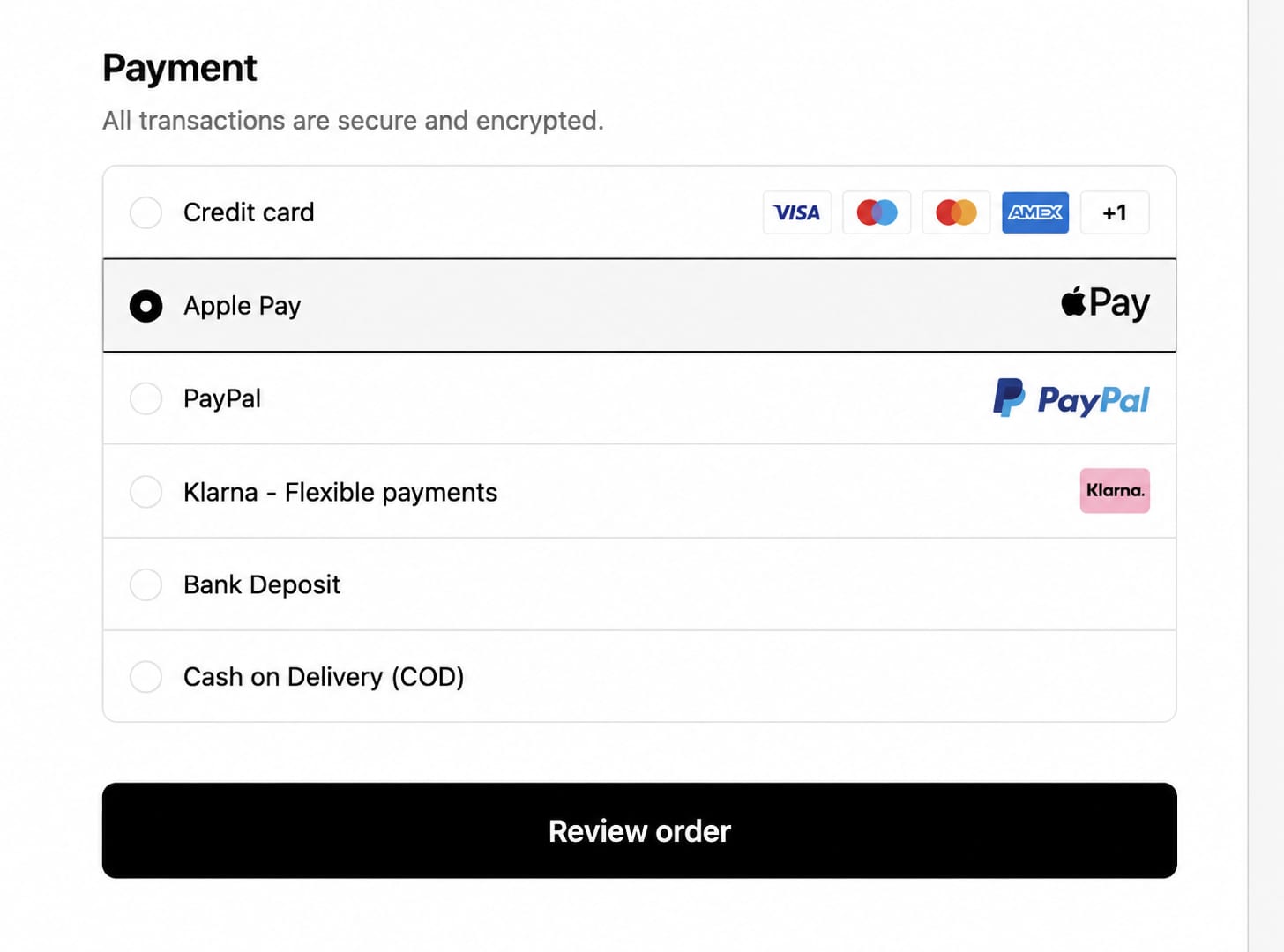
There is also an implementation detail merchants should not overlook: Shopify currently labels post-purchase checkout extensions as Beta. Live stores need to request access before using them. Check access and app compatibility before making this part of a BFCM launch plan.
Read Shopify's technical requirements and limitations.
What this means for your store
A store where most customers pay by supported credit-card methods through Online Store may have a larger eligible order base.
A store that relies heavily on digital wallets, buy-now-pay-later services, local delivery or other unsupported payment arrangements may see significantly fewer offers displayed.
That difference can make a viral revenue-per-order figure misleading when applied to another store.
Your ad dashboard may not capture the extra revenue
There is another measurement problem.
Shopify states that third-party analytics services using the Shopify Pixel API - including Google Analytics, Facebook, Pinterest and Snap - report only the purchase event and value of the initial order for post-purchase offers.
In other words, the additional product accepted after checkout may not be reflected correctly in the standard purchase value reported by those integrations.
Shopify explains the tracking limitation here.
This matters when evaluating BFCM campaigns. If the initial purchase is recorded but the upsell is not, the ad dashboard will not show the complete revenue generated by the order.
Measure the additional revenue at the order level in Shopify and in your upsell app's reporting, rather than relying on ROAS alone.
For a meaningful comparison, track:
- Eligible orders: how many orders could actually display the offer?
- Offer conversion: how many eligible customers accepted it?
- Additional revenue per eligible order: not just per accepted offer.
- Additional contribution margin: revenue after product costs, discounts, payment fees and other relevant costs.
The last metric matters most. More revenue does not automatically mean more profit.
What to set up before November 27
Black Friday 2026 falls on November 27. There is still time to prepare, but adding an app without checking eligibility and measurement can create more confusion than revenue.
Your pre-BFCM checklist
1. Calculate your eligible order share.
Review the last 30 days of orders. Segment them by payment method and sales channel. Identify orders that meet Shopify's requirements, and account for other restrictions such as local delivery and multiple currencies.
Calculate:
Eligible order share = Eligible orders ÷ Total orders × 100
This gives you a more realistic starting point than applying someone else's revenue-per-order result to your entire store.
2. Choose one relevant offer.
Start with a product that naturally complements your best-selling item. Consumables, refills, accessories and useful bundles are often easier to position than an unrelated product.
Keep the offer simple: one clear recommendation, transparent pricing and an easy way to accept it.
A relevant offer does not necessarily need a discount. In a separate post-purchase case shared by Andrew Le, a merchant reportedly generated additional sales without discounting the upsell.
3. Establish a baseline before switching it on.
Record your current average order value, revenue per order and contribution margin. Once the offer is live, compare eligible orders with the same metrics after activation.
Use Shopify order data and your app's reporting to reconcile the additional sales. Do not assume your standard Meta or Google purchase pixel has captured everything.
4. Keep email and checkout offers separate.
A post-purchase checkout offer is not the same as a post-purchase email.
Max Sturtevant's email marketing comparison cites 1.8–2.7% order rates for plain-text founder thank-you emails versus 0.3% for branded post-purchase emails. These are email results, not checkout upsell conversion rates.
For email sequences in the days after purchase, helping customers understand and use their product before recommending another purchase may be the better approach.
The takeaway
Post-purchase upsells can generate additional revenue without requiring another paid visit. But their value depends on how many of your orders are eligible, whether customers find the offer relevant, and whether you can measure the additional sales accurately.
Before copying a €8.22 result or a 20% acceptance rate, calculate your own eligible order share.
The best BFCM upsell is not the one with the biggest viral number. It is the one that works for the orders your store can actually reach.