All stories · Article
Supplement R&D is shifting toward personalization
From magnesium formulations designed for specific needs to sleep supplements tailored to different sleep problems, the supplement industry is moving beyond one-size-fits-all products. The shift is changing how brands formulate, position and substantiate their products.
Share: WhatsApp · Telegram · X · Facebook · LinkedIn · Email


The new question in supplement R&D: Best for what?
At SupplySide Global 2026, ingredient suppliers and supplement manufacturers highlighted a common direction: matching specific ingredients and formulations to specific consumer needs.
The shift is becoming visible across several major categories.
Magnesium: Different forms, different applications
Rather than treating magnesium as a single-purpose mineral, suppliers are positioning different forms for different needs, including sleep, bone health and cognitive support.
The question is no longer simply which form of magnesium is best, but which form is best for what purpose?
This approach puts greater emphasis on the relationship between an ingredient's form, its dosage and its intended application.

Source: SupplySide Supplement Journal - Magnesium forms match exact health needs.
Sleep supplements: Formulas built around different sleep problems
Sleep supplement development is also moving beyond generic promises of better sleep.
One emerging approach is sleep phenotyping: classifying sleep difficulties into specific patterns, such as trouble falling asleep, waking frequently during the night or feeling unrefreshed in the morning.
Instead of treating all sleep problems as the same, formulators can investigate which ingredients and combinations are relevant to different sleep patterns.
Another development is the growing interest in lower-dose melatonin, challenging the assumption that higher doses necessarily produce better results.

Source: SupplySide Supplement Journal - Rest assured: Wake up to new sleep science.
Creatine: Expanding applications, but also raising questions about evidence
Creatine is moving beyond its traditional association with sports nutrition. New formats include gummies and ready-to-drink products, while brands are exploring potential applications in cognitive health.
However, the expansion also brings a question: are marketing claims keeping pace with scientific evidence?
SupplySide's coverage of the category highlighted ongoing debate around cognitive benefits, alongside the rapid growth of creatine in the supplement market.
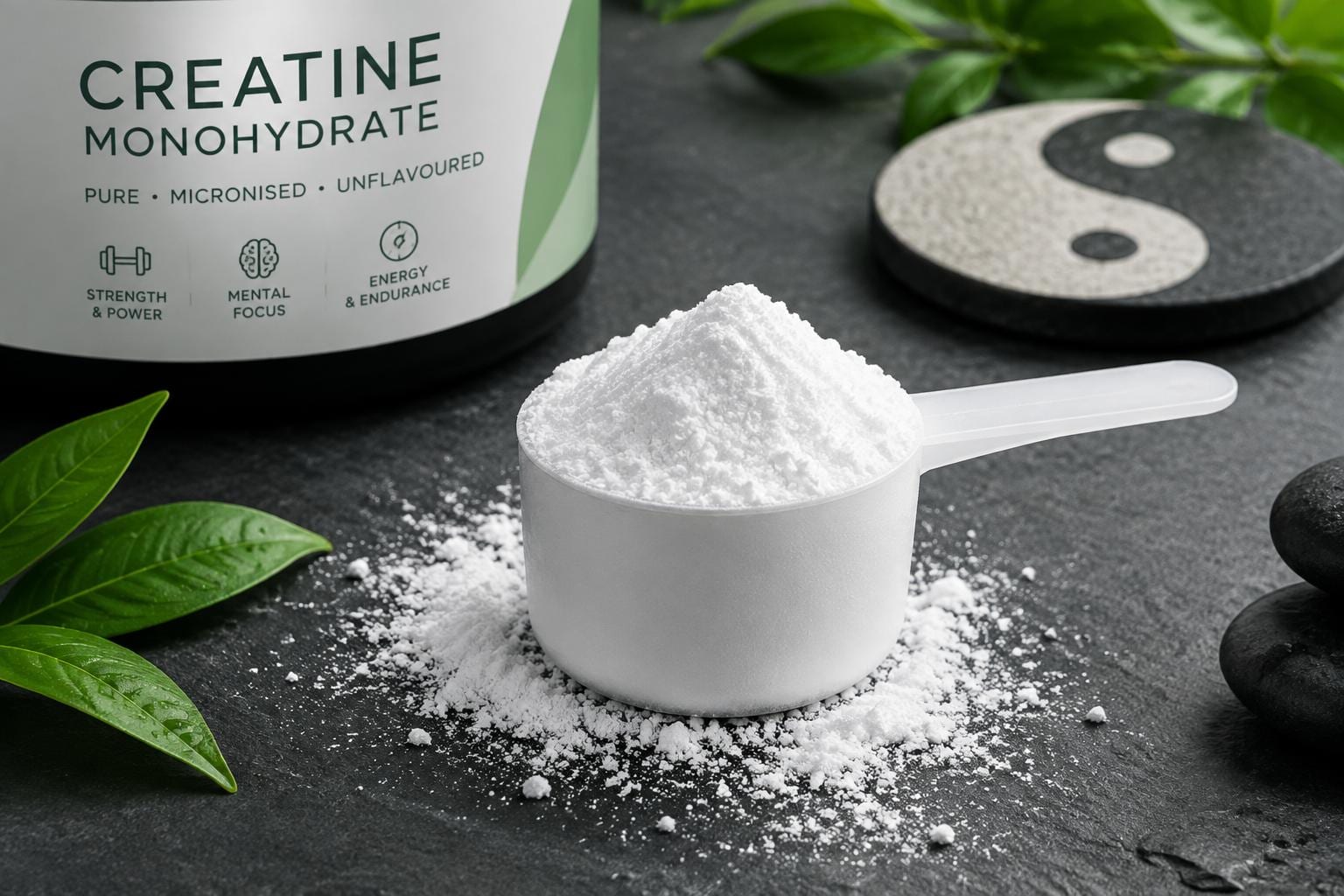
Source: SupplySide Supplement Journal - Creatine in 2026: 9 big takeaways from SupplySide Global.
Across these categories, the underlying change is consistent: product development is becoming more specific about the need a formulation is intended to address.
Personalization is moving from product positioning to individual formulations
For some companies, personalization goes beyond selecting an ingredient for a particular consumer need. It is becoming part of the formulation process itself.
Swedish startup Min Vitamix, for example, uses lifestyle questionnaires and blood tests to develop vitamin and mineral formulations tailored to individual customers.
Its model allows the company to adjust ingredient combinations and dosages based on customer information. Returning customers can also undergo further testing so their formulations can be updated.
This represents a more advanced and resource-intensive version of personalization.
However, the scientific evidence behind the model is still developing. Min Vitamix's first study involved 16 participants, of whom 11 completed the three-month program. The researchers acknowledged limitations including the small sample size and short study duration. A second study is expected to report results in 2027.
Source: NutraIngredients - Startup Min Vitamix addresses the failings of one-size-fits-all supplements.
The distinction matters: personalization can happen at different levels, from matching an existing ingredient to a specific need to building an individual formulation based on personal data.
Not every brand needs to operate at the second level.
Why is the industry moving in this direction?
The shift reflects a consumer market that is becoming more demanding about product effectiveness, ingredient transparency and evidence.
McKinsey's Future of Wellness 2027 research, based on a survey of more than 10,000 consumers across the United States, United Kingdom, Germany and China, points to several relevant trends:
- Around one-third of new consumer packaged goods launches in the US carried at least one health or wellness claim through September 2026, compared with 24% in 2021.
- US consumers ranked product effectiveness alongside price among their top considerations when purchasing wellness products.
- Among the two highest-spending wellness consumer groups, representing 35% of consumers and 55% of spending, clear ingredient labels ranked among the top five factors when purchasing vitamins, minerals and supplements.
- In separate research, high-spending consumers were 11 percentage points more likely to express purchase intent for a longevity product when shown evidence of its effectiveness. This measures stated purchase intention, not actual product performance.
Sources: McKinsey - Future of Wellness 2027; NutraIngredients - McKinsey: Wellness consumers demand more proof.
The growing number of products carrying health claims creates a problem for brands relying on broad, interchangeable promises.
When many products claim to support better sleep, improve recovery or promote overall wellness, consumers need more specific information to understand what differentiates one formulation from another.
Personalization offers one way to make that distinction clearer.
More specific claims also mean greater pressure to prove them
As formulations become more targeted, the accuracy of ingredient information and product claims becomes increasingly important.
Recent industry coverage highlights several examples.
Magnesium: Compound weight is not the same as elemental magnesium.
SupplySide Supplement Journal reported on a National Advertising Division (NAD) case involving a gummy advertised as containing 200 mg of magnesium glycinate but delivering only 22 mg of elemental magnesium.
The distinction is important because the total weight of a mineral compound does not equal the amount of the actual mineral it provides.
Source: SupplySide Supplement Journal - Magnesium forms match exact health needs.
Creatine: Cognitive benefits remain an evolving research area.
SupplySide's coverage cited a survey in which only around one-third of creatine users reported experiencing cognitive benefits. Experts also questioned whether some brain-related marketing claims are sufficiently supported by current research.
This does not rule out potential cognitive benefits. It highlights the difference between emerging research and established product outcomes.
Source: SupplySide Supplement Journal - Creatine in 2026.
GLP-1 Friendly: A marketing label is not proof of a meaningful benefit.
Research supported by Givaudan and reported by NutraIngredients found that some UK consumers using GLP-1 medications were skeptical of products labeled “GLP-1 Friendly.” Some viewed the wording as a marketing tactic rather than evidence of a genuine benefit.
The research was industry-sponsored and had not yet been formally published at the time of reporting, so its findings should be treated as an early consumer signal rather than a definitive market-wide conclusion.
Source: NutraIngredients - Givaudan research explores driving demands for GLP-1.
For brands selling into the US, the FTC also requires health-related advertising claims to be truthful, not misleading and supported by competent and reliable scientific evidence.
Source: FTC - Health Products Compliance Guidance.
The broader implication is that personalization cannot rely on more specific marketing language alone. The formulation, ingredient quantities and scientific evidence must support what the brand communicates.
What does this mean for supplement brands on Shopify?
The move toward personalization does not mean every supplement store needs blood tests, custom formulas or sophisticated recommendation quizzes.
For smaller brands, the first step can be improving how existing products are presented.
A product page should make three things clear:
- The intended need: What specific need is the product designed to support?
- The actual formulation: Which ingredient forms are used, and how much active nutrient does the product contain?
- The supporting evidence: Are the claims based on human studies, preliminary research, supplier data or emerging hypotheses?
For example, a magnesium product page should not simply list magnesium glycinate and promise better sleep. It should accurately disclose the amount of elemental magnesium and explain the basis for any sleep-related claim.
Likewise, a creatine product marketed for cognitive support should distinguish established evidence from potential benefits still under investigation.
These improvements do not make a product clinically personalized. But they help consumers understand what they are buying and why a particular formulation may be relevant to their needs.
The direction of supplement innovation
The developments at SupplySide Global and the broader consumer research point to a common direction.
Supplement innovation is moving beyond adding more ingredients or making broader health claims. It is increasingly about matching a formulation to a defined need, communicating its composition accurately and demonstrating why consumers should trust it.
Personalization may eventually involve blood tests, algorithms and individually adjusted formulas. But the underlying shift is already visible in mainstream categories such as magnesium, sleep supplements and creatine.
The next stage of supplement competition may not be about who offers the most ingredients, but who can explain most clearly what their formulation is designed to do-and prove it.
Ask AI next
- What sample wording lets me label claims as clinically studied vs preliminary without an FTC or NAD challenge?
- How do I check if my labeled milligram amount is elemental mineral, not total compound weight?
- What Shopify apps let me build a lightweight sleep-phenotyping quiz without blood tests?
- What evidence actually meets the FTC's 'competent and reliable' standard for a claim like creatine's benefits?
- Do regulators outside the US scrutinize personalized supplement claims like the FTC and NAD do?