All stories · Article
Pre-BFCM checklist: 7 things Shopify sellers need to lock down before Black Friday
Black Friday 2026 falls on November 27. With less than two weeks to go, Shopify sellers need to prepare more than an advertising campaign or a discount offer. Their stores must be ready to handle higher order volumes without putting profit margins or operations at risk.
Share: WhatsApp · Telegram · X · Facebook · LinkedIn · Email

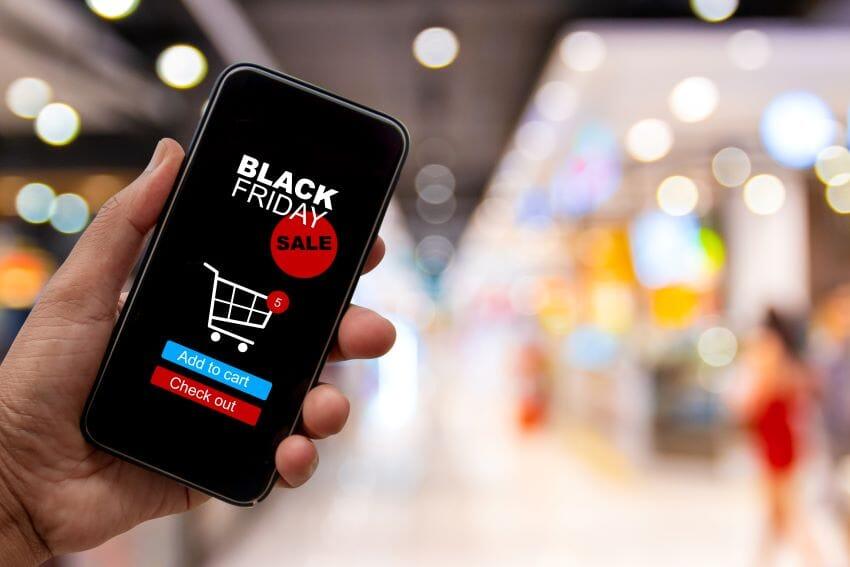
A 20% discount can reduce the contribution margin per order by as much as 34.3%.
In an example shared by Paddy (@paddymedia), a £60 product leaves £35 after product and shipping costs. After a 20% discount, that contribution falls to £23. To maintain the same total contribution, the store would need approximately 52.2% more orders.
BFCM preparation therefore needs to focus on three areas: protecting profitability, securing operations, and checking store readiness.
Here are seven things to complete before launching your sale.
I. Profitability: Understand your margins before setting discounts
1. Recalculate margins on your best-selling products
Start with the products expected to generate the largest share of your BFCM revenue.
Check:
- Actual product costs, not just the supplier's listed price.
- Shipping and fulfillment costs.
- Payment processing and packaging fees.
- Taxes, import duties, and applicable variable costs.
- Contribution margin remaining per order before advertising costs.
The goal is to know exactly how much each order contributes before accounting for customer acquisition costs.
Sources: Paddy's discount calculation example · Samuel_Ecom1 on thin margins during Black Friday.
2. Calculate the maximum discount your margins can support

For every product included in your promotion:
- Model the contribution margin at the proposed discount.
- Calculate how much order volume must increase to offset the lost contribution.
- Account for potentially higher advertising costs during the sale.
- Consider how many customers would have purchased at full price anyway.
- Set a maximum discount based on actual margins.
Example: Paddy's £60 product
First, calculate the selling price after a 20% discount:
Example: £60 × (1 − 20%) = £48
Then calculate the contribution margin remaining after product and shipping costs:
Example: £48 − £25 = £23
| Before discount | After 20% discount | |
|---|---|---|
| Selling price | £60 | £48 |
| Product and shipping costs | £25 | £25 |
| Contribution margin | £35 | £23 |
Although the discount is 20%, the contribution margin per order falls by approximately 34.3%.
Formula: Additional order growth required to offset the lost contribution
Where:
- CM before discount = Contribution margin per order before the discount.
- CM after discount = Contribution margin per order after the discount.
Using Paddy's example:
Required order growth = [(£35 ÷ £23) − 1] × 100 = 52.2%
In other words, the store needs approximately 52.2% more orders to maintain the same total contribution before advertising costs.
Sellers can replace the selling price, discount rate, and variable costs with their own product figures to estimate the additional order volume needed before launching a promotion.
Note: This calculation assumes variable costs remain unchanged. If shipping, fulfillment, or payment processing costs change during the promotion, recalculate the contribution margin. The 52.2% increase only maintains total contribution before advertising costs. It does not mean net profit after advertising remains unchanged.
Source: Paddy's original calculation.
3. Review new import and fulfillment costs
Changes in per-order costs can make previous profitability calculations inaccurate.
For sellers shipping goods into the EU, pay particular attention to:
- The temporary €3 customs duty introduced from July 1, 2026, for eligible low-value imported goods.
- The €2 handling fee for eligible imported e-commerce items, applying from November 1, 2026.
- Updated shipping and fulfillment rates.
- Any new surcharges from suppliers or carriers.
Note that the two EU charges are calculated differently. The €3 customs duty is applied by product category, while the €2 handling fee applies per item under the new rules.
Official sources: European Commission on the €3 customs duty · Council of the EU on the small-parcel reform.
II. Operations: Finalize offers and secure your supply chain
4. Finalize and test offers, bundles, and upsells
Do not leave key promotion decisions until the final days before the sale.
- Finalize offers and bundles tested ahead of BFCM.
- Check whether bundles can increase AOV without eroding margins too much.
- Review post-purchase upsells and cross-sells.
- Test discount codes and automatic discounts.
- Check eligibility rules, excluded products, and discount stacking.
In his seven-point BFCM readiness checklist, Luca Valori also emphasizes testing offers early and setting up post-checkout upsells.
Shopify likewise recommends planning promotions and setting up discounts ahead of the sales period in its official seasonal sales preparation guide.
5. Confirm inventory and supplier capacity
A successful advertising campaign can still fail if the supply chain cannot handle the additional orders.
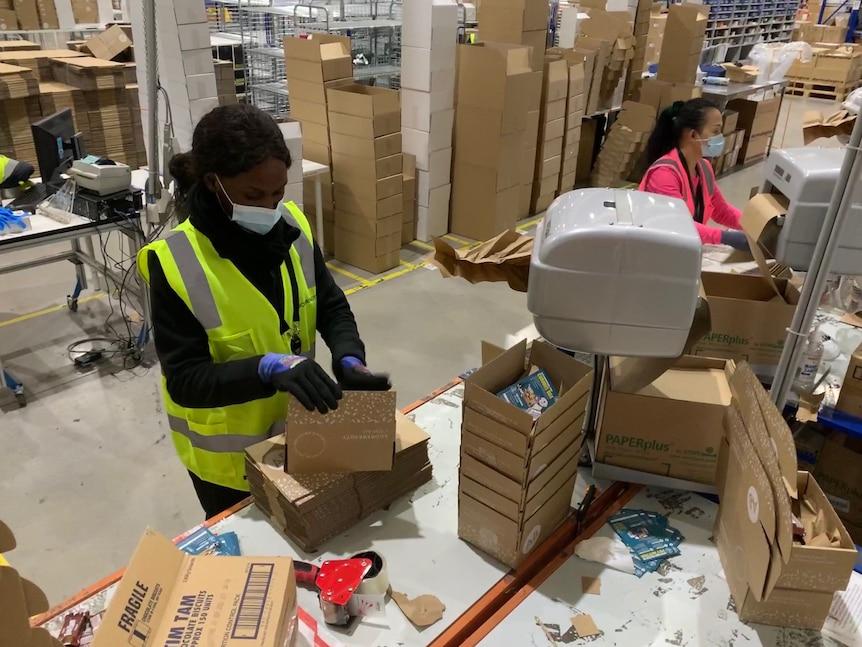
Before launching your sale:
- Check inventory for best-selling products.
- Confirm replenishment lead times.
- Ask suppliers for their maximum daily order-processing capacity.
- Confirm packing and delivery timelines during peak periods.
- Prepare alternatives in case of stock shortages or fulfillment delays.
Luca Valori specifically recommends asking suppliers about their peak-season processing capacity. He says one of his suppliers can handle 20,000 orders per day. This is an example from his own operation, not a benchmark for every store.
Source: Luca Valori's BFCM readiness checklist.
III. Store readiness: Test the buying journey and protect cash flow
6. Test the entire buying journey, especially on mobile
Traffic only matters if customers can complete their purchases.
Review the full buying journey:
- Check landing pages and product pages on both desktop and mobile.
- Test discount codes and automatic discounts.
- Check cart calculations, shipping fees, and taxes.
- Test every payment method.
- Place a test order and confirm that notification emails work.
- Check page speed and remove unnecessary apps and scripts.
- Make sure customers cannot accidentally purchase out-of-stock products.
Shopify's 2026 Black Friday checklist also recommends reviewing mobile experiences, checkout, website speed, and test orders before BFCM.
7. Plan cash flow and set a store freeze date
Higher sales do not mean the money is immediately available in your account.
Check:
- Shopify payout schedules and expected bank deposit dates.
- Advertising payment dates and available budget.
- Supplier payment deadlines and fulfillment costs.
- Cash reserves to keep advertising and replenishment running while waiting for payouts.
- A date to stop unnecessary changes to your theme, apps, and checkout.
Luca Valori highlights the gap between advertising spend and incoming payouts in his operational checklist.
Meanwhile, Goldikam recommends avoiding new app installations or theme changes after November 20. This is an operator's recommendation, not an official Shopify deadline.
The principle is to finish testing early, then keep the store stable as traffic starts to rise.
Final checklist before BFCM
Before November 27, make sure all seven areas are covered:
- Recalculated margins on best-selling products.
- Set the maximum discount the business can afford.
- Updated import and fulfillment costs.
- Finalized and tested offers, bundles, and upsells.
- Confirmed inventory and supplier capacity.
- Tested the mobile buying journey and checkout.
- Reviewed cash flow and set a store freeze date.
BFCM preparation is not just about bringing more customers to your store. It is about making sure promotions remain profitable, the supply chain can handle the orders, and the store can convert traffic without unexpected operational failures.
Ask AI next
- What Shopify apps or built-in reports can automatically calculate contribution margin per order for a BFCM sale?
- Beyond bundles, what other tactics like tiered spending thresholds or gift-with-purchase help protect BFCM margins?
- Is the EU's new €2 handling fee charged to the seller, the carrier, or passed to the customer at checkout?
- Do marketplaces like Amazon or Etsy face the same new EU €3 and €2 import fees, or just direct Shopify shipments?
- Beyond the store freeze date, what real-time metrics should sellers watch during BFCM to catch margin erosion early?